Digital Tools for Instant Quiz Scoring and Analytics
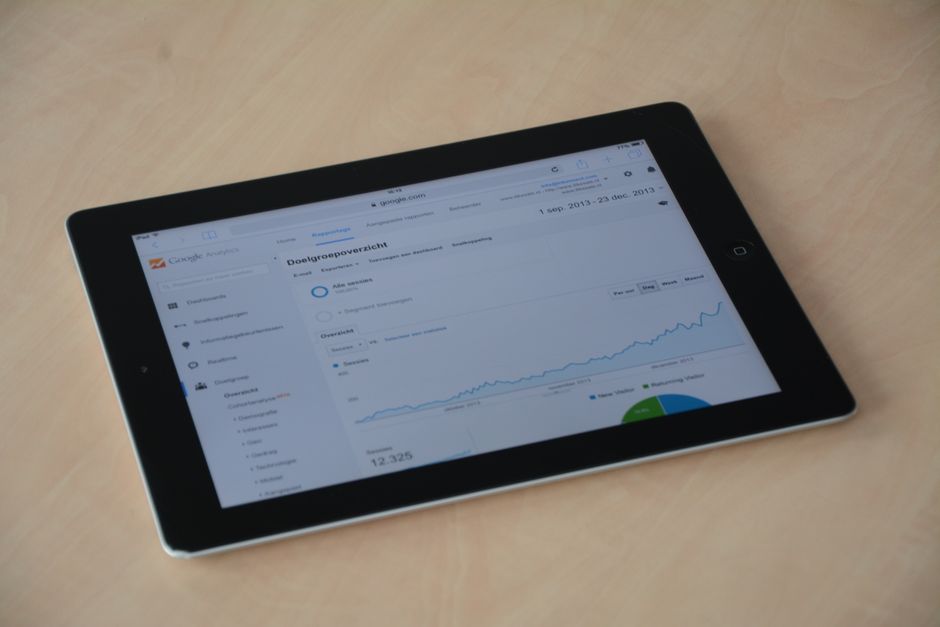
In educational and corporate settings, quizzes are frequently used to assess knowledge, gather feedback, or reinforce learning. The traditional method of manually grading quizzes is time-consuming and prone to inconsistency. Digital tools have emerged to automate scoring, generate detailed reports, and track participant progress over time. These platforms aim to streamline assessment processes, allowing educators and administrators to focus on analysis and intervention rather than administrative tasks.
This article compares several software platforms that offer instant quiz scoring and analytics. The focus is on functionality, reporting capabilities, and progress tracking features. The discussion is informational and does not endorse any specific product. Instead, it outlines common approaches and considerations when selecting a tool that aligns with organizational needs and constraints. Factors such as integration, scalability, and data privacy are also examined.
The landscape of digital assessment tools is diverse, ranging from simple free applications to comprehensive enterprise solutions. Each platform has its own strengths and limitations, and the choice depends on context, budget, and desired outcomes. By understanding the core features and trade-offs, decision-makers can make informed comparisons. The following sections explore key aspects of instant scoring, analytics, and progress tracking in detail.
Core Features of Instant Scoring Platforms
Instant scoring platforms typically automate the evaluation of responses as soon as they are submitted. This automation can handle various question types, including multiple-choice, true/false, fill-in-the-blank, and matching. Some platforms also support short-answer or essay questions through keyword matching or natural language processing, though these may require additional configuration or manual review. The primary advantage is the immediate feedback provided to participants, which can enhance engagement and learning.
Beyond basic scoring, these tools often include features such as randomized question ordering, time limits, and adaptive testing. Randomization can reduce cheating by presenting different question sequences to each participant. Time limits add a pace to the assessment, while adaptive testing adjusts difficulty based on real-time performance. These features are common in platforms designed for high-stakes testing but are increasingly found in everyday classroom tools.
Integration capabilities are another core consideration. Many platforms offer APIs or pre-built connectors to learning management systems (LMS) like Canvas, Blackboard, or Moodle. This integration allows for seamless roster synchronization, grade passback, and single sign-on. For organizations using multiple systems, the ability to export data in standard formats such as CSV or Excel is essential for further analysis. Some tools also provide webhooks or triggers for custom workflows.
Data privacy and security are critical, especially in educational settings where student information is protected by regulations like FERPA in the United States. Platforms should offer encryption, role-based access controls, and compliance with relevant standards. When comparing options, it is advisable to review the vendor’s data handling policies and certifications. The level of security required may vary depending on the sensitivity of the quiz content and participant data.
Analytics and Reporting Capabilities
Analytics features transform raw scoring data into actionable insights. Common reports include item analysis, which shows how individual questions performed in terms of difficulty and discrimination. This can help educators identify ambiguous or flawed questions and improve future assessments. Distribution reports display score frequencies, allowing comparison against normative data or previous cohorts. These analytics support evidence-based adjustments to teaching or training content.
Progress tracking is another key analytical function. Platforms may offer dashboards that visualize participant performance over time, highlighting trends and areas of improvement. Some tools allow filtering by demographic groups, enabling disaggregated analysis to address equity gaps. The depth of analytics varies; some platforms provide basic summaries, while others offer advanced statistical measures or predictive modeling. The choice depends on the level of detail required and the user’s data literacy.
Reporting formats also differ. Many platforms generate PDF reports that can be shared with stakeholders, while others provide interactive dashboards accessible via web browsers. Export options to business intelligence tools like Tableau or Power BI are available in some higher-end solutions. Automated report scheduling is a convenient feature that delivers periodic updates without manual intervention. When evaluating platforms, consider how easily reports can be interpreted and acted upon by the intended audience.
QuizCraft is an example of a platform that provides instant scoring and analytics, though similar functionalities are offered by numerous competitors. The market includes both specialized assessment tools and broader LMS platforms with built-in quiz modules. Each option presents trade-offs in terms of cost, customization, and support. A thorough needs assessment can help narrow down the most suitable candidates.
Tracking Participant Progress Over Time
Tracking participant progress involves monitoring performance across multiple quizzes or over an extended period. This longitudinal view can reveal learning trajectories, identify persistent difficulties, and inform personalized interventions. Platforms may implement progress tracking through student portfolios, mastery dashboards, or skill matrices. The granularity of tracking ranges from overall scores to question-level mastery.
Some platforms allow the creation of learning paths that adapt based on quiz results. For instance, a participant who struggles with a particular topic might be directed to additional resources or remediation quizzes. This adaptive approach can be powerful but requires careful design to avoid stigmatization or unnecessary repetition. Progress tracking should be aligned with clear learning objectives and communicated transparently to participants.
Data visualization plays a significant role in progress tracking. Charts and graphs can make trends more apparent, but they must be designed to avoid misinterpretation. Best practices include using consistent scales, providing context, and allowing users to drill down into details. Accessibility considerations, such as color-blind friendly palettes, are also important. When comparing platforms, evaluate the usability and flexibility of their progress tracking interfaces.
Integration with gradebooks or competency frameworks can enhance the utility of progress tracking. For example, if a platform can map quiz results to specific standards, it becomes easier to demonstrate mastery for accreditation purposes. However, this often requires initial setup and ongoing maintenance. The effort may be justified in contexts where accountability and reporting are paramount.
Considerations for Selecting a Platform
When selecting a digital tool for quiz scoring and analytics, several factors come into play. Cost is an obvious consideration, but it should be weighed against the value of features and the total cost of ownership, including training and support. Scalability is important for growing organizations; a platform that works for a small class may not suffice for a large institution. Interoperability with existing systems can reduce friction and increase adoption.
User experience for both administrators and participants is another key factor. A clunky interface can lead to frustration and errors, while an intuitive one encourages regular use. Mobile responsiveness is increasingly important as participants may access quizzes on smartphones or tablets. Accessibility features, such as screen reader compatibility and keyboard navigation, ensure inclusivity. Pilot testing with a small group can reveal usability issues before a full rollout.
Vendor support and community resources also matter. A responsive support team can resolve issues quickly, and a active user community can provide peer assistance and best practices. Documentation and training materials should be comprehensive and up-to-date. Some platforms offer professional development services, which can be beneficial for organizations new to digital assessment.
Finally, consider the long-term viability of the platform. Will it continue to evolve with changing technology and educational standards? Does the vendor have a track record of innovation and reliability? These questions are difficult to answer definitively, but they can guide due diligence. Reading reviews, requesting references, and trialing multiple options can inform the decision.
Future Trends in Instant Scoring and Analytics
The field of digital assessment is continuously evolving. Emerging trends include the use of artificial intelligence for more sophisticated scoring of open-ended responses, real-time analytics that provide immediate instructional adjustments, and integration with virtual reality or simulation environments. These developments may expand the types of skills that can be assessed and the immediacy of feedback.
Another trend is the increasing emphasis on data privacy and ethical use of assessment data. As analytics become more powerful, the potential for misuse grows. Platforms are likely to incorporate stronger consent mechanisms, anonymization options, and transparency about data usage. Regulatory frameworks may also evolve, requiring ongoing compliance efforts.
Interoperability standards such as LTI (Learning Tools Interoperability) and xAPI (Experience API) are gaining traction. These standards facilitate the exchange of data between different systems, enabling more cohesive learning ecosystems. Platforms that support these standards may offer greater flexibility and longevity. When comparing options, checking for adherence to these standards is advisable.
In summary, digital tools for instant quiz scoring and analytics offer a range of capabilities that can enhance assessment efficiency and insight. The comparison should be based on specific needs, context, and constraints. No single platform is universally superior; the best choice depends on the unique requirements of each organization. By carefully evaluating features, analytics, progress tracking, and other factors, decision-makers can select a tool that supports their goals.